Spontaneity, Pre-Approved: The Contract Behind Every 'Fun' Talk Show Appearance
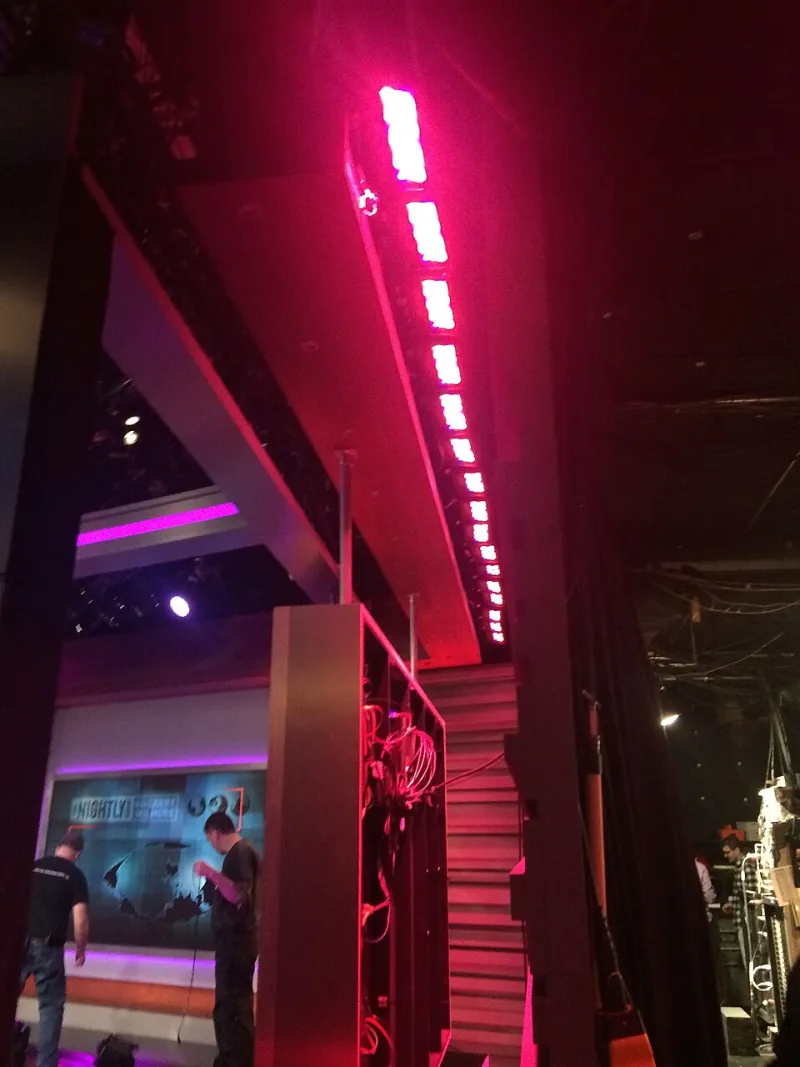
Photo: The Nightly Show Crew Member archive, CC0, via Wikimedia Commons
Here's a fun exercise for your next late-night binge: watch a celebrity interview and ask yourself who wrote it. Not the host — the interview. The joke that lands perfectly at the eleven-minute mark. The 'never told anyone this' story that somehow also appears in the star's press tour coverage from three days earlier. The moment of manufactured chaos that resolves, suspiciously, right before the commercial break.
None of that is luck. All of it is contract.
The Split-Season Deal, Explained
Publicity appearances are governed by agreements that would make a divorce lawyer blush. A-listers and their teams negotiate — sometimes formally, sometimes through the polite thuggery of 'talent notes' — exactly what will and won't happen on camera. Industry folks call it a split-season arrangement when a star's promo tour is divided across multiple shows, with each outlet getting a pre-assigned slice of the story: one show gets the personal anecdote, another gets the project details, a third gets the 'candid' moment that goes viral.
The practical effect is that if you watch a full press tour, you're not watching interviews. You're watching a distributed press release performed by people with charisma.
Riders, Zones, and the Pre-Cleared Gag
What actually gets negotiated? More than you'd think:
- No-go zones. Topics that are off the table, delivered as a list to the booker. The ex. The lawsuit. The project that shall not be named. Hosts who blow through these zones do not get the next guest.
- Pre-approved callbacks. If a star had a viral moment on a previous appearance, expect it to be referenced — because the reference was requested. 'Maybe ask about the thing with the dog' is a sentence that has been said in a production meeting, by a professional, for money.
- The assigned anecdote. Stars on a press tour carry a small rotation of stories like a magician carries decks. The 'spontaneous' tale about the disastrous audition? It's been told on four shows this month, tightened each time, until it plays like stand-up.
- Clip targets. Teams know the segment will be chopped into a 45-second vertical video. Jokes are built to survive decapitation. If a bit doesn't work without context, it doesn't make the rider.
The Tells: How to Spot Rehearsed Spontaneity
Once you know the machinery, the seams show. Watch for these:
- The story that's too structured. Real memories meander. Rehearsed ones have a setup, two escalations, and a button. If an anecdote has better structure than the movie being promoted, it's been workshopped.
- The synchronized laugh. When the host laughs before the punchline, they've heard it. They've heard it in a pre-interview, where guests run their material twenty minutes before air. The pre-interview is the dress rehearsal nobody admits to.
- The deflection that's too smooth. Asked about the sensitive topic, the star swivels to a prepared bit so gracefully it feels choreographed. Because it is. The dodge was in the rider.
- The props. If a guest brings a gift, a photo, or a weird object, that was coordinated. Nobody 'happens' to have a viral-worthy item in their tote bag.
In Defense of the Machine
Now, the heretical part: this isn't necessarily bad. Pre-negotiated interviews protect guests from ambushes, give hosts a workable show, and honestly produce better television than genuine chaos, which mostly produces silence and lawsuits. The problem isn't that the interviews are constructed. It's that they're sold as spontaneous — that we're asked to believe a performance is a window.
Pressdog's position has always been the same: we don't mind the puppet show, but don't tell us the puppet is improvising. The true art form of Hollywood publicity was never the interview. It's the contract behind it — the document that decides, weeks in advance, which laugh you'll have and when.
So the next time a talk show moment feels like magic, remember: somewhere, there's a rider with that magic's dimensions, delivery date, and approved talking points. The trick isn't that it's fake. The trick is that you paid for it with your evening.